Between Two Shovels
The transportation podcast where infrastructure leaders explain what it really takes to build America’s roads, systems, and corridors.
Episodes
Hours of Content
Industry guests
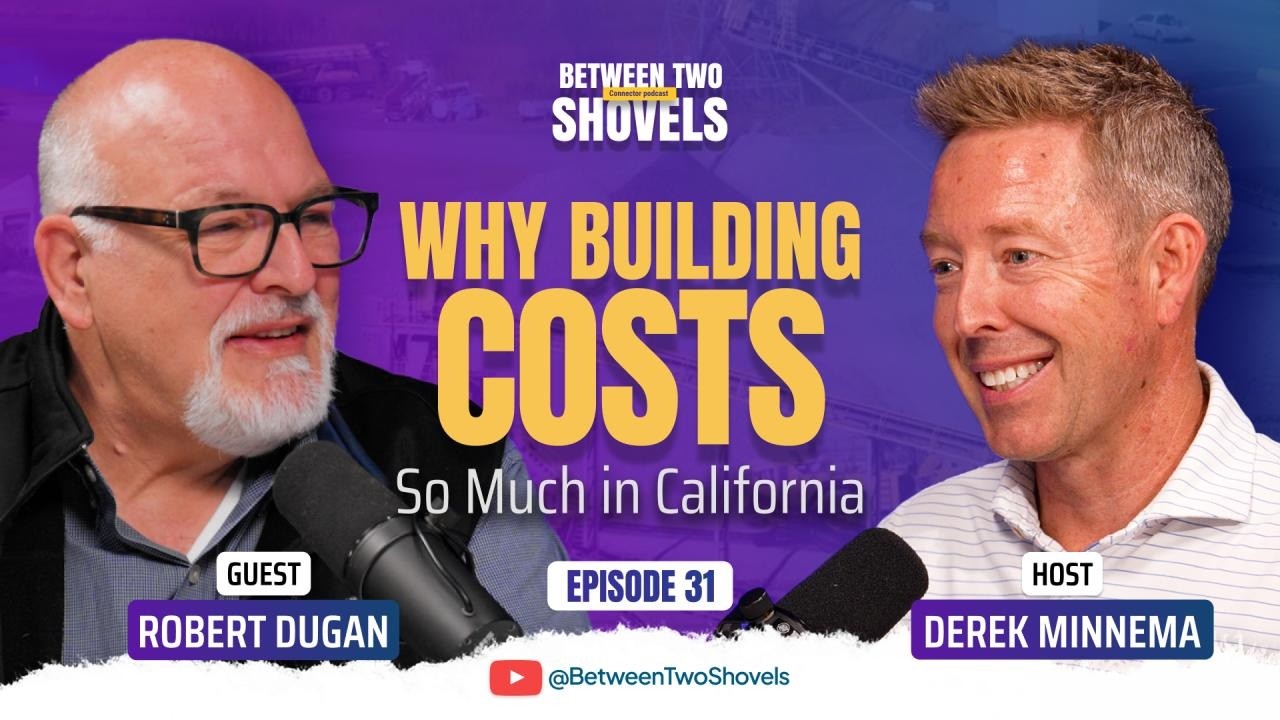


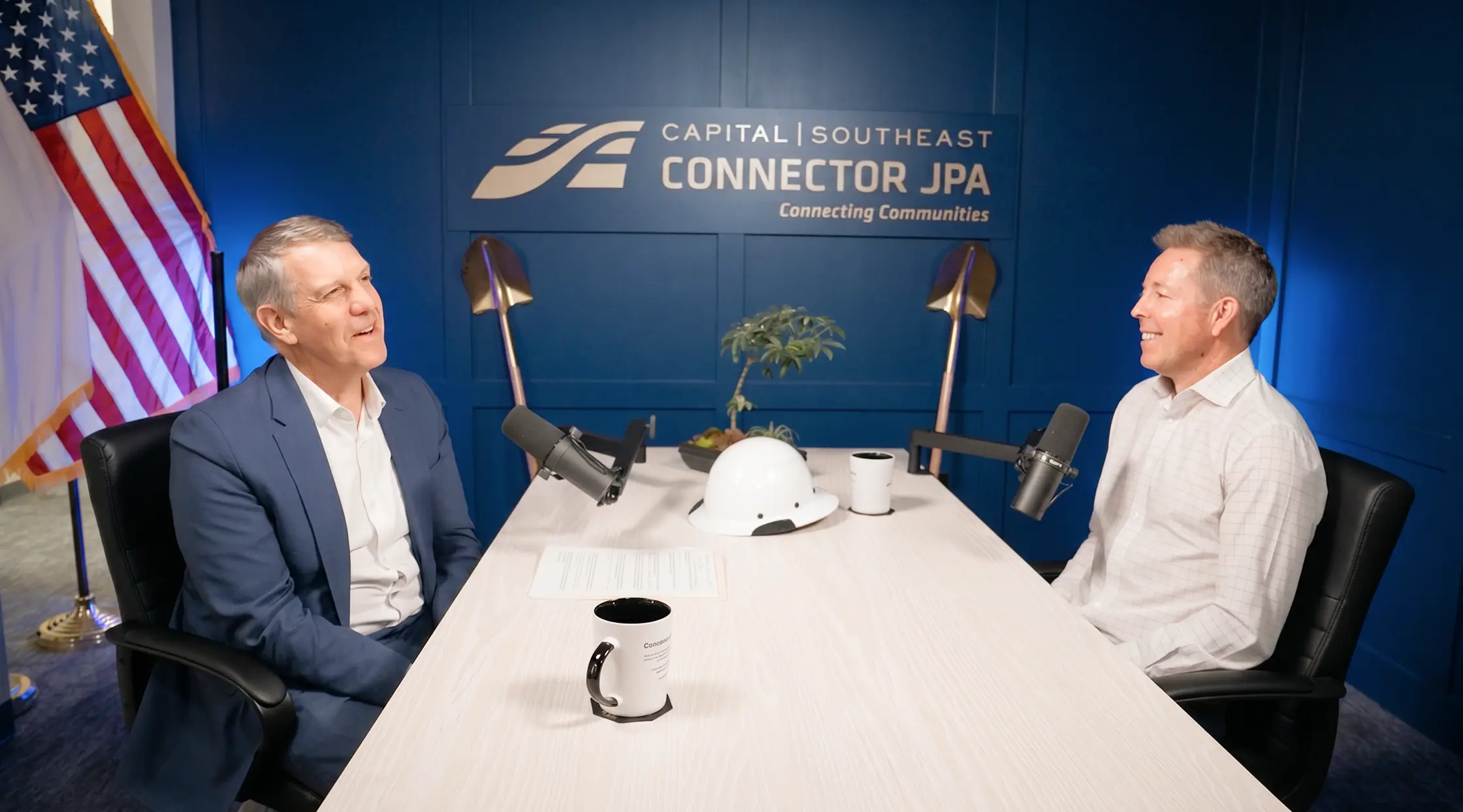
Cost, schedule, risk, delivery
Every conversation gets specific. Mitigation rates per acre. Lead times on traffic poles. What COVID actually did to bid pricing. Numbers and trade-offs, not talking points.
Senior operators in the room
DOT chief engineers. Trucking association CEOs. Land planners. Lobbyists. Supply chain advisors. Each conversation pulls in a different vantage point on how American infrastructure gets built, from the bid sheet to the ballot box.
Made on a working corridor
Most infrastructure podcasts are produced by observers. Between Two Shovels comes from the partnership actively delivering a 34-mile regional expressway, so every guest list, every question, and every topic is shaped by people who have signed for the work themselves.
Everything built in California starts with material that came out of the ground somewhere nearby. Rock, sand, gravel, cement. It's the least interesting part of any project and the first place cost shows up.
Robert Dugan has spent forty years on that side of it. District director for a state senator, then the Sacramento Metro Chamber, then Granite Construction, then AGC, and now the association representing the companies that mine and process construction materials statewide. He also sits on a water board, which means he watches state policy land at street level rather than reading about it.
The through-line in this conversation is that cost is not a mystery. It's an outcome. Regulations stack, plants close, haul distances grow, and eventually a project comes in over estimate and nobody traces it back to the decisions that got it there.
The part worth staying for is the second half, where he moves from what's broken to something that worked. The Water Forum brought cities, counties, developers, water agencies and environmental groups to an agreement that has held for two decades. Everybody gave something up. Everybody got predictability. He thinks transportation could have done the same thing and didn't.
00:00 Introductions, and why the hard hat isn't grown
03:42 What actually drove construction material costs up
07:00 When a cement plant closes, and what replaces it
09:51 The regulatory export of jobs and impacts
11:13 Why distance is the cost of a rock
12:29 AB 5 and the independent trucker
16:08 AB 219 and the cost of proving compliance twice
17:33 The Inflation Reduction Act, in his assessment
19:39 Federal highway bills, and what reauthorization needs to do
24:37 Placer Parkway, beltways, and through traffic
28:58 When a road's use doesn't match its design
29:44 The long-term vision the region used to have
31:18 The Water Forum, and how a 20-year truce got built
39:44 SMARA, resource mapping, and building on top of reserves
44:39 Recycled asphalt, low-carbon concrete, and what the industry fixed
51:21 Closing thoughts on planning past the next election
Conversations with the people building, funding, and planning American infrastructure.
A partial roster of the leaders, contractors, engineers, and operators who have sat down with the show to share what works, what doesn't, and what the numbers actually look like.
James Corless

Nancy Miller

Dave Bauer


Eric Sauer & Chris Shimoda
John Hovde & Josh Nichols
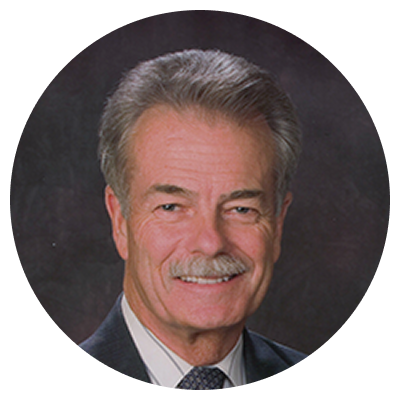
Will Kempton

Mike Sturino
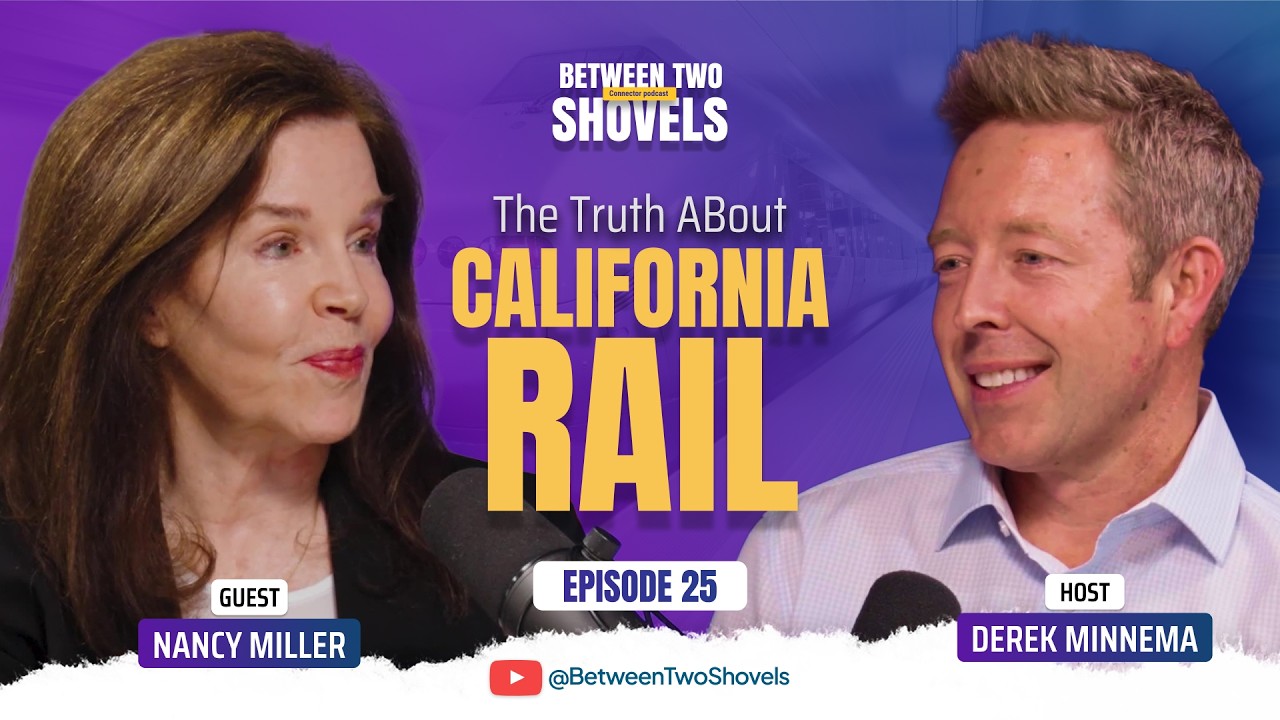

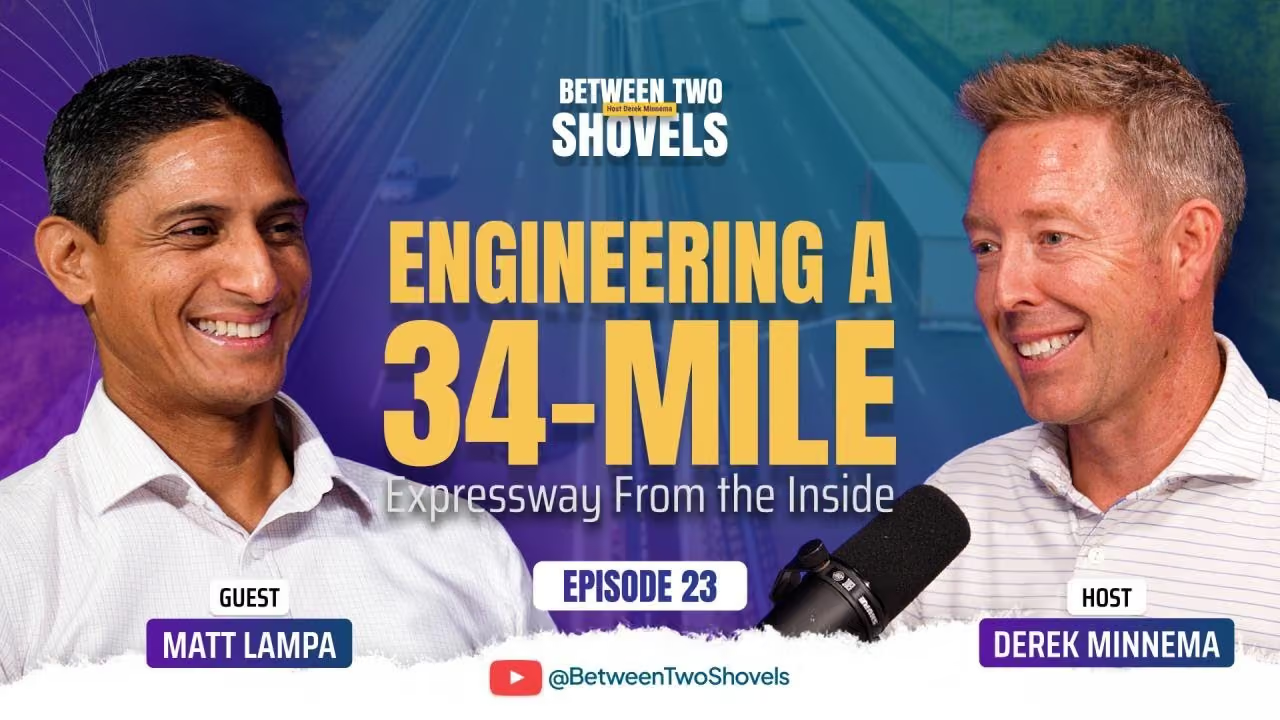
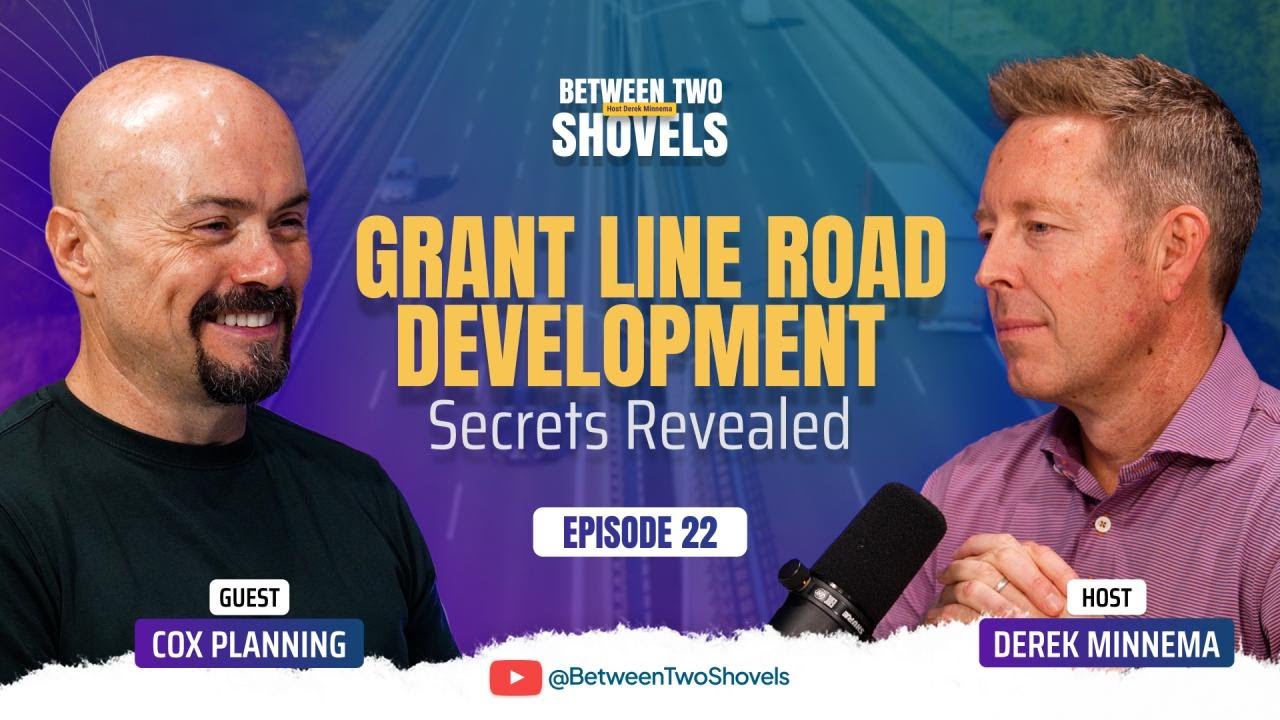
The podcast is produced by the people delivering the corridor.
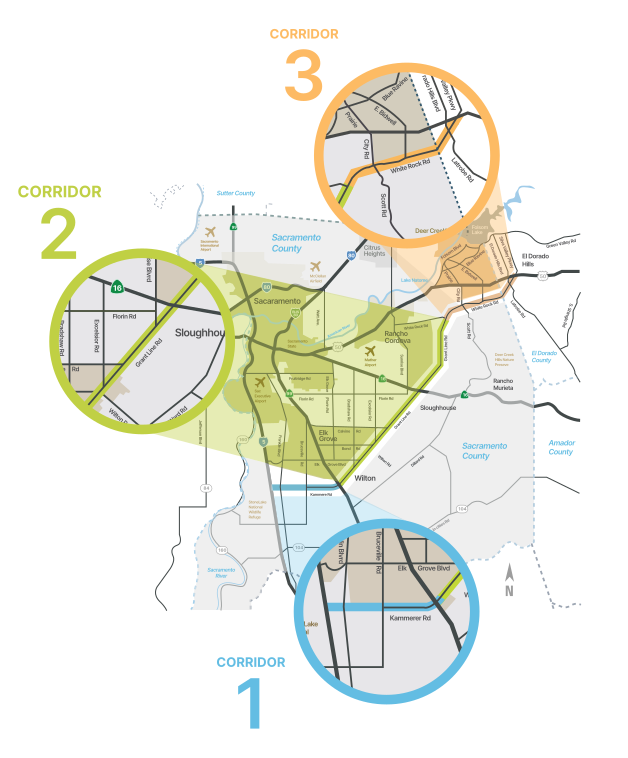
Between Two Shovels is a project of the Capital SouthEast Connector Joint Powers Authority, a partnership of Sacramento County, El Dorado County, Elk Grove, Folsom, and Rancho Cordova delivering a 34-mile regional expressway from Interstate 5 in Elk Grove to Highway 50 in El Dorado Hills.
The JPA was formed in 2006 with 75% voter approval. Since then, the partnership has cleared more than 20 miles through NEPA, secured 50-year regulatory permits, won a $25 million USDOT RAISE grant, and delivered 11 miles of completed expressway. The podcast exists because the lessons learned along the way deserve a wider audience than a board meeting.
Mile Expressway
Miles Completed
Member Jurisdictions
Constructed Improvements
Get every episode in your inbox, plus the back-channel notes.
Subscribe to the Between Two Shovels newsletter and we'll send a short email every time a new conversation drops. You'll also get bonus material that doesn't go anywhere else.
Have a story the industry should hear?
Between Two Shovels features leaders and operators shaping the future of infrastructure. Whether you've delivered a project, fought for funding, or learned the hard way what doesn't work, we'd like to talk. Pitch yourself, a colleague, or a topic you wish more people understood.
"The best conversations come from operators who've made calls they couldn't take back."